


Key Points to Remember
- Freon is mostly odorless; a large leak may smell faintly sweet, like chloroform.
- Warm air, iced coils, and hissing are better clues than smell.
- Rotten eggs means gas: leave and call the gas company.
- If you suspect a leak, turn off the AC, ventilate, and call a pro.
- Get to fresh air if you feel dizzy or sick.
- Only certified technicians should handle refrigerant.
- Annual maintenance catches leaks early.
Notice a faint sweet smell wafting around your air conditioner? It’s a question many people have asked: “What does freon smell like, anyway?” The answer often comes as a bit of a shock – in small doses, freon is basically odourless. But a leak that lets out a bit more can give off a very subtle sweet scent. In this guide, we’ll take a closer look at what that smell might mean, what else to keep an eye out for, and when it’s time to call in a professional.
Getting Down to Basics: What Is Freon?
If you ask most people what Freon even is, they’ll probably say that it’s just a trade name for any old refrigerant. And that’s true, originally, Freon, specifically R-22, was the go-to refrigerant for loads of aircon systems right up until the US stopped making new stock in 2020. These days, systems are starting to switch to R-410A, R-454B, or R-32, but by and large, most people just keep calling them all “freon” regardless.
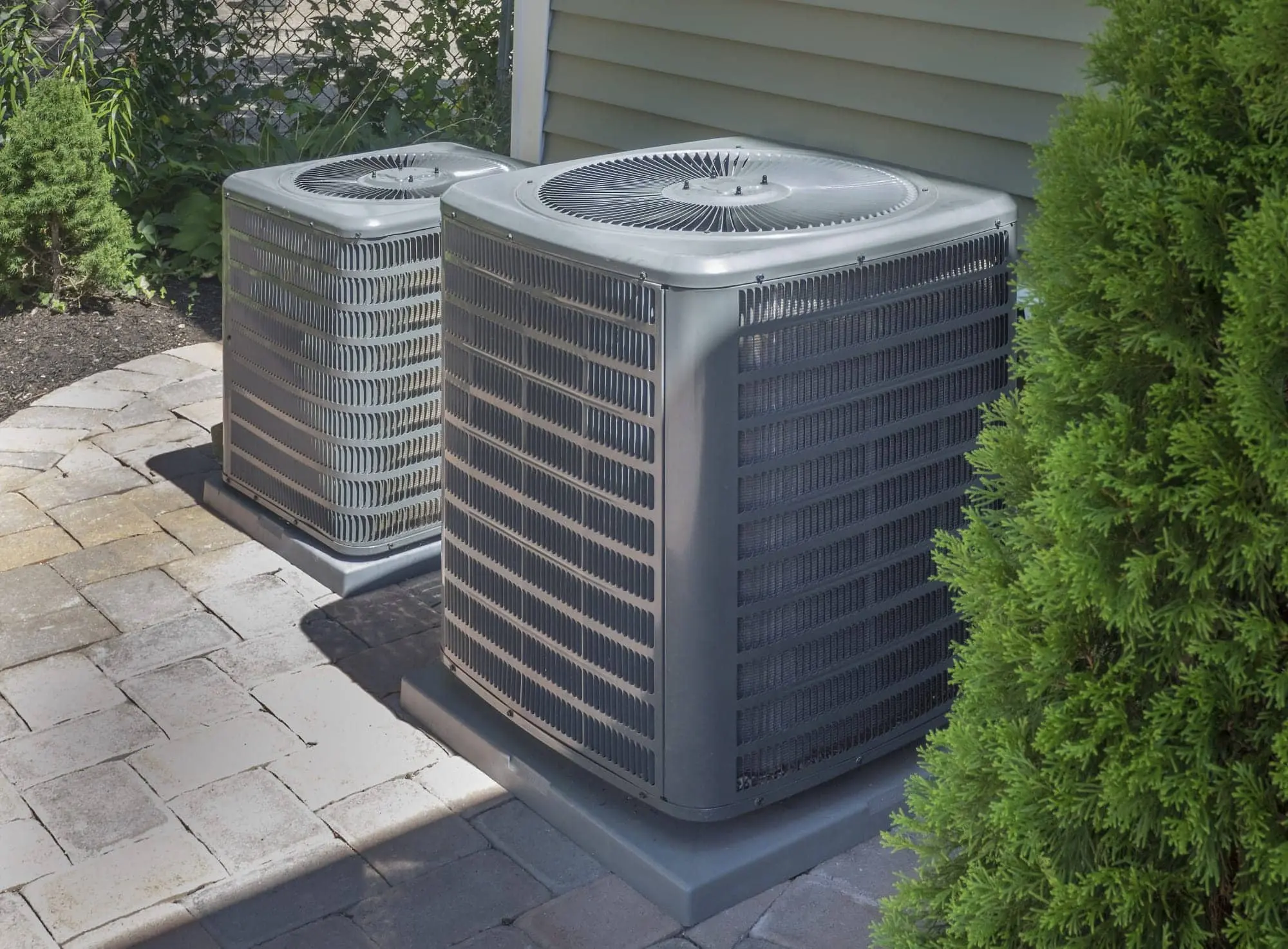
Refrigerant is what does the actual work of moving heat around. Inside your aircon system, pressurised refrigerant flows through a closed loop of coils and copper tubing. At the indoor coil, it snatches up heat from the air in your home and sends it off to the outdoor unit, where that heat gets released outside.
The beauty of it is that, because the system is closed loop, your aircon system will never run out of refrigerant. If the level gets low, you’ve got yourself a leak.

What Does Freon Smell Like?
Most of the time, you won’t smell anything. When a larger amount escapes into a tight space, like a furnace closet, people describe a faint, sweet chemical smell. Some compare it to chloroform or nail polish remover.
A typical service call: a homeowner notices a sweet odor near the furnace, and the upstairs rooms feel warm. The technician finds low pressure and traces the leak to the indoor coil. The smell was real, but the warm rooms were the bigger clue.
If your AC smells sweet or chemical near the indoor unit, outdoor unit, or copper lines, check for the other signs below.
Can You Detect a Freon Leak by Smell Alone?
No. Most leaks are tiny pinholes that release refrigerant too slowly to notice. Your nose also gets used to a smell after a few days.
That’s why technicians use electronic detectors, bubble solutions, and pressure tests to detect leaks. Treat a sweet odor as a warning, not a diagnosis. It could also come from cleaning products or paint.
What Are the Common Signs of a Refrigerant Leak?
These clues are more reliable than smell:
- Warm air from the vents. Low refrigerant can’t remove enough heat.
- Ice on the coil or copper lines. Low pressure makes the coil too cold, so moisture freezes.
- Hissing or bubbling sounds near the coil or lines.
- Higher energy bills. Low refrigerant levels force the system to run longer.
- Sticky, humid air because the AC can’t remove moisture well.
One sign alone may have another cause, like a dirty filter. Two or three together point strongly to a leak.
Why Do Refrigerant Leaks Occur?
- Corrosion. Household chemicals react with moisture and eat pinholes in copper coils.
- Vibration. Years of running can wear lines where they rub.
- Loose fittings and worn valves.
- Physical damage from mowers, trimmers, or pets near the outdoor unit.
The most common leak spots are the evaporator coil, the outdoor coil, service valves, and line set joints.
Is Freon Exposure Dangerous?
A small leak poses little risk for most homes. In larger amounts or closed spaces, refrigerant can push out oxygen. Inhaling it can cause headaches, dizziness, nausea, and throat irritation. Liquid refrigerant can also cause frostbite on contact.
If anyone feels sick and you notice a sweet odor, get to fresh air and open windows. Seek medical care if symptoms don’t fade.
Rotten Egg, Burning, or Musty Smell: What Else Could It Be?
- Rotten egg smell: Possible natural gas leak. Leave the house, don’t flip switches, and call your gas company from outside.
- Burning smell: Often electrical. Shut the system off and call for service. A dusty smell on the first cold day of fall is usually normal and fades within an hour.
- Musty smell: Mold or mildew in the ducts, drain pan, or condensate line.
What Should You Do If You Suspect a Leak?
- Turn off your AC to protect the compressor.
- Open windows to ventilate the area.
- Check for ice, hissing, or warm air.
- Call a professional AC company and describe what you noticed.
Skip DIY refrigerant kits and store-bought sealants. Sealants can clog AC components and make repairs more expensive. In the U.S., only EPA-certified technicians can legally handle refrigerant.
How Does an HVAC Technician Repair the Leak?
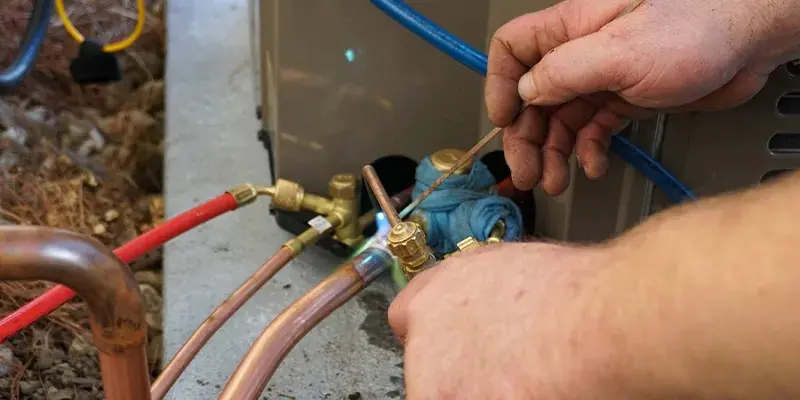
An HVAC technician checks system pressures, then finds the leak with an electronic detector, bubbles, UV dye, or a nitrogen test. Depending on the damage, the fix may be tightening a valve, brazing a line, or replacing a corroded coil.
After the repair, the tech vacuums out air and moisture and recharges the system. A good contractor will always find the leak and recharge the system together. Topping off without a repair just delays the problem. For older R-22 units, a major leak is often a good time to discuss replacement.
Can AC Maintenance Prevent a Freon Leak?
Maintenance can’t stop every leak, but it helps catch a refrigerant leak early. A yearly tune-up checks pressures, inspects coils, and tightens fittings.
Between visits, change your filter on schedule, keep the outdoor unit clear, and store chemicals away from the indoor unit to slow coil corrosion.
Ready to stop AC freon leaks in your home? Reach out to Optimized Air and let’s talk about your options!
Ready to Optimize Your HVAC System?
At Optimized Air Heating & Cooling, our certified technicians can analyze your specific home setup and recommend the ideal fan operation strategy for your unique needs. We’ll help you balance energy efficiency with comfort and air quality.
Call us: (224) 338-9591
Email: [email protected]
Mention code “SMARTFAN” for 15% off your next maintenance service!