


Key Takeaways About Air Conditioner Lifespan
- Central AC lasts 15 to 20 years; window units, 8 to 10.
- Yearly tune-ups and regular filter changes extend its life.
- Hot climates and salty air shorten it.
- Replace when repairs, noise, or energy bills keep climbing.
- R-22 systems are prime candidates for replacement.
- Age × repair cost over $5,000? Replace instead of repair.
- Shop in the off-season, not during a July breakdown.
Most homeowners tend to take their air conditioner for granted right up until it lets them down in the middle of one of those sweltering July days. The central air conditioner is probably one of the most expensive systems you’ve got running in your home, so thinking ahead about how long it should last is essential for avoiding the stress and panic that comes with making a rushed decision.
This guide gives you the lowdown on what to expect from your aircon unit – how long on average it should last, what can shorten its lifespan, the warning signs that tell you it’s time to let it go, and some of the simple habits that’ll keep your HVAC system chugging along for as long as possible. If you’re one of the many folks out there who own a home with central air, then this info could save you a pretty penny – and a whole lot of stress.
How Long Do Air Conditioners Last on Average?
So, how long can you expect an air conditioner to run trouble-free? Well, most central air conditioners will do their job for anywhere between 15 and 20 years if you treat it right. Some might pack it in a bit sooner, maybe around 10 or 12 years, and then there are those that just seem to keep on trucking well past the 20-year mark. The thing is, all of this comes down to how the thing was installed in the first place, how hard it’s working every summer, and how well it’s been looked after.
Ductless mini-splits and heat pumps tend to last about as long as central air systems, but heat pumps work harder year-round to keep you warm in winter and cool in summer. Window units, on the other hand, have a much shorter shelf life – generally around 8 to 10 years – because their components just aren’t as robust.
What Factors Affect How Long an AC Unit Lasts?
There are a whole bunch of factors that determine how long an aircon is gonna stick around. The big ones are how often you use it, how well you look after it, the quality of the installation, and the local climate. Now – a system in a house where the thermostat just gets stuck on 68 all summer has to work a lot harder than one that’s set a bit more comfortably at 76 degrees. And that extra running time does a number on the compressor, fan motors, and electrical bits.
Getting the sizing right is pretty important too. An AC unit that’s too big for your place will cool it down in no time, then just shut off and start again a few minutes later. And that short cycling is murder on the compressor – the most expensive part to replace. On the other hand, a unit that’s too small will be running for ages and still won’t be able to keep your place cool on a hot afternoon.
How your air ducts are looking also plays a role here. If they’re leaky or just not designed right, it forces the system to run longer to reach that set temperature. And all those extra hours tacked on over the years will take their toll on the equipment.
Does Regular Maintenance Really Extend the Life of Your Air Conditioner?
Yes – regular maintenance is probably the single best way to make sure your air conditioner lasts as long as it’s supposed to. When you get an AC tune-up once a year, a technician will clean the coils, check the refrigerant levels, take a look at the electrical connections, and pick up on any small problems before they turn into a major repair – and a huge bill.
Here’s how often it goes: someone calls us because their house isn’t cooling right, and we head out to take a look. We find out the outdoor coil’s all clogged up with cottonwood fluff and grass clippings. That thing’s been running hot for weeks because it can’t get rid of the heat it’s meant to – and that’s already put extra wear on the compressor. A coil clean fixes the immediate problem, but by then it’s already had a few weeks ‘ worth of wear and tear. Getting an AC maintenance done every year stops that kind of sneaky wear and tear.
The one thing you can really do to help is change your air filter. If it gets clogged up, it’s gonna force the system to work way harder than it needs to, and can even make the indoor coil ice up. Just check that filter every month when it’s hot outside, and replace it every one to three months. And hey – a clean filter’ll also help keep the air where you live a lot cleaner, so your family’s breathing nice air.
How Does Climate Change the Lifespan of an Air Conditioner?
Where you live has a direct effect on your AC lifespan. In hot southern climates, an air conditioning system may run eight or nine months a year. In northern states, the same unit might run for three or four. More run time means more wear, so a unit in Phoenix usually won’t last as long as an identical one in Illinois.
Coastal homes face a different problem. Salty air corrodes the outdoor unit’s coils, fins, and electrical connections. Homeowners near the ocean often see a shorter lifespan unless they choose coastal-rated equipment and rinse the outdoor unit with fresh water a few times a year.
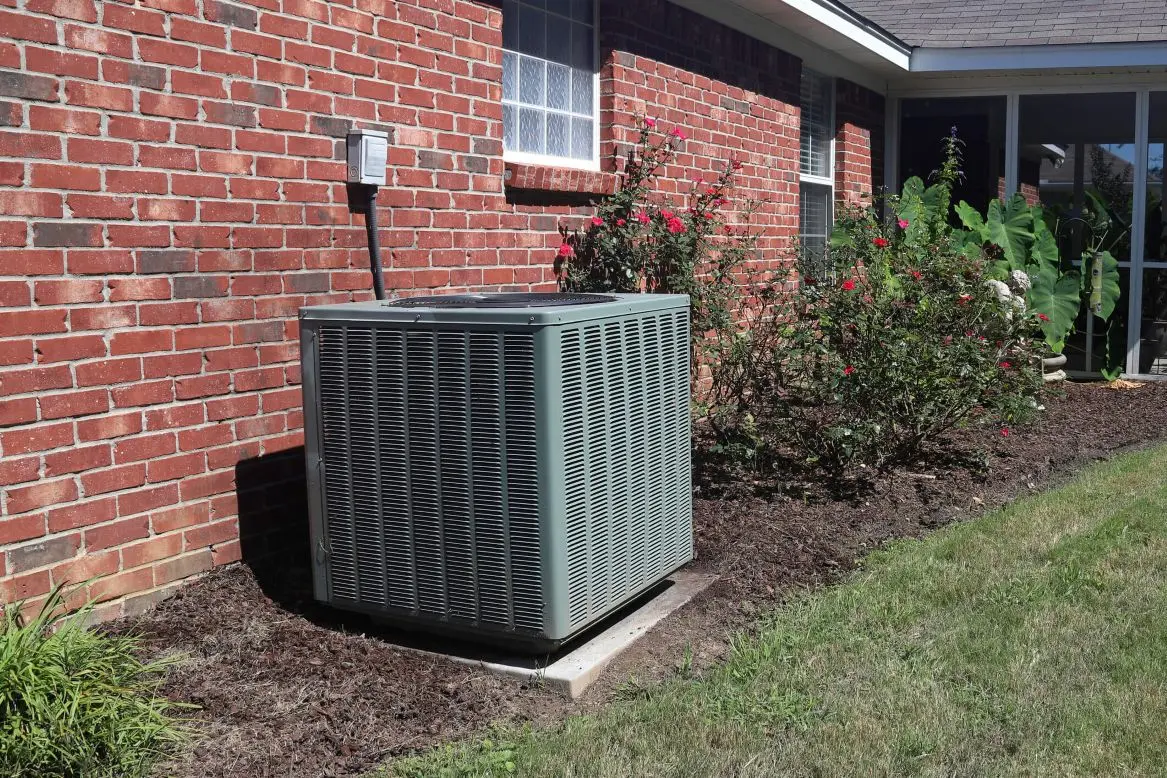
Your yard matters as well. An outdoor unit that sits under a dryer vent, next to a dusty gravel driveway, or in a spot where sprinklers hit it every morning will need more frequent cleaning. Keep at least two feet of clear space around the condenser so it can breathe.
Does the Quality of the Unit and Installation Matter?
The quality of the unit may be important, but let me tell you, the way it’s installed is what really makes all the difference. A top-of-the-line system that gets put in wrong can fail way before a mid-range system that was set up right. We’ve seen plenty of cases where a decent AC lets you down because of a simple installation error – a big one being the wrong refrigerant charge, then there’s ducts not hooked up properly, another one is getting the sizing all wrong and lets not even get started on an outdoor pad that is all crooked and lets oil just pool up inside the compressor in a big messy way.
New air conditioners these days are a lot more advanced; they got better bits and pieces and a more efficient compressor than systems that are even 20 years old. And then there’s the fact that the variable speed and two-stage models are just running at like half speed most of the time, which means they get to sit back and relax a lot more; this just reduces the wear and tear on them, and the truth is, they can last just as long as, if not longer than, those old single-stage models.
When you go out looking to buy a new AC unit, then ask the guy you hire to do the installation how he goes about sizing the system. A good HVAC company will do a load calculation that takes into account how big your house is, how good the insulation is, what’s the state of the windows, and the layout of the place. And then there are the contractors who are just lazy and size the system off the old unit’s label. That just doesn’t cut it.

What Are the Warning Signs Your Air Conditioner Needs to Be Replaced?
Your system usually gives you clues when the unit is nearing the end of its life. Watch for these warning signs:
- The unit is more than 12 to 15 years old and needs frequent repairs.
- Rooms cool unevenly, or the system can’t keep up on hot days.
- You hear grinding, squealing, or loud clanking from the outdoor unit.
- Humidity stays high indoors even while the system runs.
- The system uses R-22 refrigerant (often called Freon).
That last point deserves extra attention. R-22 production ended in the United States in 2020. If an older system with R-22 develops a leak, the remaining refrigerant supply is limited and expensive. Many homeowners decide it’s time to replace an AC unit at that point instead of paying for a costly recharge.
No single warning sign means you must replace your AC immediately. But when two or three show up together on an aging system, it’s time to start pricing options before a breakdown forces your hand.
How Do Rising Energy Bills Signal It’s Time for AC Replacement?
Your energy bills can tell you a lot about your system’s health. As an air conditioner ages, parts wear out, coils lose efficiency, and the compressor works harder to move the same amount of heat. If your summer bills keep climbing while your habits and electric rates stay about the same, your system is probably losing efficiency.
Efficiency standards have also improved a great deal. A system installed 15 years ago uses noticeably more electricity than a new system with a higher SEER2 rating. Replacing an old, inefficient unit can lower your cooling costs and save money in the long run, which helps offset part of the upfront price.
A simple check: compare this year’s July bill with the same month two or three years ago. A steady upward trend, combined with an older unit, is a strong hint that air conditioner replacement belongs on your planning list.
Should You Repair or Replace Your AC Unit?
Many technicians use a simple rule of thumb known as the “$5,000 rule”- to give them a rough idea of when it’s worth fixing a unit versus just replacing it. The idea is to multiply the age of the unit by the repair cost. If that number is above $5,000, chances are it’s usually more cost-effective to chuck it and buy a new one. Take a 12-year-old system, for example: a $500 repair would put the total at $6,000, which points strongly towards biting the bullet and replacing the thing. On the other hand, if you had the same repair on a 5-year-old system, the total would be $2,500 – which is more in the direction of just getting it repaired.
Now consider what part actually went out of order. A dodgy capacitor or a faulty fan motor is generally pretty cheap to sort out on most systems, but a compressor blowing its top or an indoor coil leaking on an older unit is a different kettle of fish altogether. The parts themselves are expensive & if you’re getting them for a system that is near the end of its expected lifespan, then you’re probably just storing up for a different costly repair to come along next year.
Timing too has a lot to do with it – if your 16-year-old system is still running like a top, then there’s no real need to rush into anything. But if you have the chance to get a quote in the off-season like the fall or early spring, then you’ve got the time to shop around and compare options – and the contractors will be less busy, which is a bonus.
Should You Replace Your Furnace and AC at the Same Time?
If you have a split system, your furnace and AC work together. The furnace blower moves the cool air your AC creates through the ducts. Because of this, many homeowners replace both at once when both are older.
Replacing them together has real benefits. The new components are matched for efficiency, you often get a better price on a combined installation, and you reset the clock on your entire HVAC system at once. A mismatched setup, such as a new high-efficiency AC paired with a 20-year-old furnace blower, may not deliver the efficiency you paid for.
That said, if your furnace is only 6 or 7 years old, it usually makes sense to replace just the AC. Ask your contractor to confirm the new air conditioner is compatible with your existing furnace and coil.
How Can You Extend the Life of Your Central AC Unit?
You can’t control the weather, but you can control how well you care for your central AC unit. These habits help you get the most years out of it:
- Schedule a yearly tune-up. Spring is the best time, before the heavy cooling season starts.
- Change the filter regularly. Check it monthly and replace it as needed.
- Keep the outdoor unit clear. Trim shrubs, remove leaves, and gently hose off the coil from the inside out.
- Use a reasonable thermostat setting. Raising the temperature a few degrees when you’re away reduces run time.
- Keep vents open. Closing vents in unused rooms increases pressure in the ducts and makes the system work harder.
- Fix small problems early. A strange noise or a drip near the indoor unit is cheaper to fix now than after it causes bigger damage.
A homeowner who follows these steps has a much better chance of reaching the full 15 to 20 year range. One who skips them may face an early air conditioner replacement around year 10 or 11.