


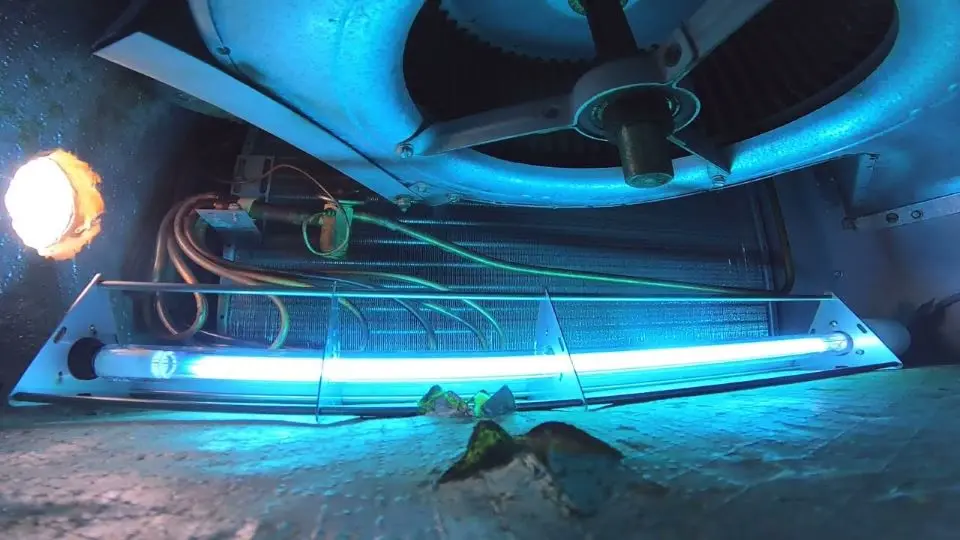
The Quick Answer
For many homes, yes, but it depends on what you’re trying to fix. HVAC UV lights are worth it if your main concern is mold, bacteria, or musty odors in your system. They’re less useful if your main problem is dust or pollen.
UV lights are usually worth it if you have:
- Allergy sufferers or someone with respiratory issues
- Pets, smokers, or ongoing musty smells
- Mold growth on your evaporator coil
- High humidity, which is common in Lake County summers
They may not be worth it if:
- Your main issue is dust or pollen. UV light doesn’t filter particles, so a better filter is the fix.
- You have a ductless mini-split. UV lights need a central HVAC system.
- You won’t keep up with yearly bulb replacements.
The bottom line: Installation typically runs $200–$700 for a home, plus $50–$150 a year for bulbs. For most homeowners, cleaner coils and healthier air make that a solid investment, especially when you pair the light with a MERV 8–13 filter.
What Are UV Lights for HVAC Systems?
UV lights for HVAC systems employ ultraviolet-C radiation to kill mold, bacteria, and viruses in air ducts or near an evaporator coil. They emit short-wavelength light that disrupts microorganisms’ DNA, halting their proliferation and preventing further growth of microbes and viruses. At Optimized Air, we offer full UV light integration; click the schedule appointment at the top of the page to get started!
Types of UV Lights
- Coil Sanitizing Lights are designed to prevent mold growth near an evaporator coil and are installed near it for easier access and cleaning.
- Air Sanitizing Lights are installed within ductwork to disinfect air as it circulates throughout the space.
Both types require a central HVAC system; however, ductless mini-split systems may need alternative solutions like standalone air purifiers for optimal results.
UV lights for HVAC systems use ultraviolet-C (UV-C) radiation to kill mold, bacteria, and viruses. These lights are installed inside air ducts or near the evaporator coil. They emit short-wavelength light that disrupts the DNA of microorganisms, preventing growth.
Benefits of UV Lights in HVAC Systems
Improved Air Quality
UV lights have been found to significantly decrease allergens such as mold spores and dust mites in indoor environments, according to research done by American Society of Heating, Refrigerating and Air-Conditioning Engineers (ASHRAE). UV-C lighting was discovered to decrease microbial concentration by 50-90% according to one ASHRAE study.
Enhancing System Efficiency
Mold on evaporator coils decreases airflow and efficiency, driving energy costs up by 15% or more. UV lights help keep coils clean for greater energy savings of up to 15%.
Health Benefits
Homes with allergy sufferers or respiratory issues may see fewer symptoms. Hospitals often use UV-C to sterilize air, proving its effectiveness in critical settings.
Costs of Installing UV Lights
Initial Costs
- Residential systems: $200–$700 for parts and labor.
- Commercial systems: $1,000–$4,000+, depending on size.
Factors like HVAC type, bulb quality, and installation complexity affect pricing.
Long-Term Costs
- Bulb replacement: $50–$150 annually (bulbs last 9–14 months).
- Energy use: Adds $5–$15 monthly to electricity bills.
Drawbacks of UV Lights
Safety Risks
UV-C exposure harms the skin and eyes. Proper installation inside ducts or sealed units minimizes risk.
Maintenance
Bulbs lose effectiveness over time. Forgetting replacements reduces air quality benefits.
Limitations
- Does not remove dust or pollen (pair with air filters).
- It is less effective in large, leaky duct systems.
UV Lights vs. Other Air Purification Methods
| Method | Pros | Cons |
|---|---|---|
| UV Lights | Kills microbes; low maintenance | Doesn’t filter particles |
| HEPA Filters | Captures 99.97% of particles | Needs frequent replacement |
| Ionizers | Neutralizes odors | May produce ozone |
Combining UV lights with MERV 8–13 filters balances particle capture and microbial control.
What to Consider Before Installation
- Assess Air Quality Needs: Homes with pets, smokers, or allergy sufferers benefit most.
- Consult an HVAC Professional: Technicians verify system compatibility and optimal placement.
- Check Warranty: Some HVAC manufacturers void warranties if third-party UV lights are installed.
At Optimized Air, we perform free HVAC assessments for Illinois homeowners.
Maintaining UV Lights
- Clean Bulbs Every 3-6 Months with a microfiber cloth to remove dust build-up.
- Replace Bulbs Annually and mark their expiration dates on a calendar. Check Wiring Before Each Service Visit
- Conduct Regular HVAC maintenance inspections to make sure no damages occur, insuring optimum functionality at all times.
Properly maintained UV lights last 5–10 years.
Final Verdict
UV lights improve indoor air quality and HVAC efficiency but work best alongside filters. For Illinois residents, the upfront cost often pays off in long-term health and energy savings. Consult a licensed technician to avoid installation errors.
Ready to upgrade your HVAC system? Contact Optimized Air for a free quote.